
You just drove your new EV home, and the reality hits: charging at the grocery store or mall adds 45 minutes to every errand. You need a home charger, but with June temperatures in Kelowna pushing past 30°C, you're wondering if summer heat will fry your investment or slow your install timeline.
Here's the good news: June is actually the best month for EV charger installation in Kelowna. The ground isn't frozen, your electrician can access panels and exterior walls without snow delays, and booking now means you avoid the fall rush when everyone remembers they wanted this done before winter. But Okanagan heat does change how and where you mount your charger, and your home's electrical capacity needs careful planning when your AC is already running full-tilt.
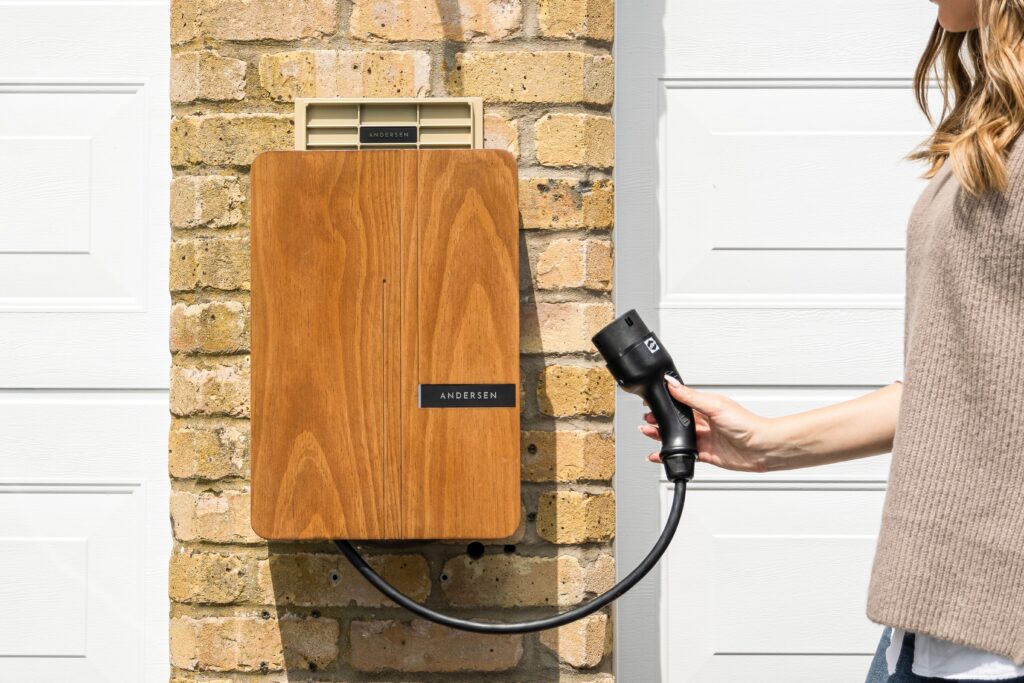
(/backup-generator-installation-kelowna/) on residential garage in summer heat]
Why June Is Peak Install Season for Home EV Charging Kelowna

Summer delivers the perfect installation window for three reasons: weather, scheduling, and system planning.
Ground Conditions and Access
If your charger needs a trench run from your panel to a detached garage or carport, June soil in Kelowna is workable. No frost line to fight, no mud from spring melt. Electricians can dig, conduit, backfill, and restore landscaping in a single day. Winter installs stretch across weeks waiting for ground thaw.
Exterior wall penetrations are faster when siding isn't buried under snow. Your electrician doesn't need to shovel a path to your service panel or chip ice off conduit entry points.
Scheduling Flexibility
By September, every homeowner who postponed their EV charger install suddenly wants it done before the first snow. Lead times jump from one week to four. June? Most licensed electricians (like Kemp Co Electric, TSBC # LEL0211430) still have next-week availability.
You also avoid holiday slowdowns. July and August see vacation gaps. October through December? Forget it. June is the sweet spot.
Load Planning When Your System Isn't Maxed
In June, your electrical panel isn't fighting furnace cycles, block heater loads, or holiday lighting. Your electrician gets a clearer picture of your baseline capacity. If you need a panel upgrade to safely add a 40-amp or 50-amp Level 2 charger circuit, summer is when that work happens fastest. Panels ship faster, inspection slots open sooner, and you're not coordinating around frozen pipes or heating emergencies.
How Okanagan Heat Affects EV Charger Summer Installation
Kelowna's June highs regularly hit 28°C to 32°C. That heat doesn't damage your charger, but it does influence where and how you mount it.
Charger Operating Temperature Ranges
Most Level 2 chargers (the 240V units you install at home) are rated for operation between -30°C and +50°C. June heat in Kelowna sits comfortably mid-range. Your charger won't overheat.
But direct sun exposure on a south or west-facing garage wall can push surface temperatures past 45°C. The charger's internal temperature rises another 5°C to 10°C during a charging session as it pulls substantial power. Sustained high temps don't break the unit, but they do accelerate wear on internal relays and connectors.
Garage vs. Outdoor Mounting in Summer
If your garage stays below 35°C in summer, mount your charger inside. You get weather protection, no UV degradation on the cable jacket, and easier access in January when it's -15°C outside.
If your garage regularly exceeds 40°C (common in non-insulated Okanagan garages with metal roofs), outdoor mounting on a north or east wall keeps the unit cooler. Add a simple rain shield or mount under an eave. Your electrician will use weatherproof connectors and conduit rated for outdoor exposure.
Cable Performance in Heat
Charging cables are rated for heat, but coiling a hot cable tightly after a charging session traps heat and degrades insulation faster. In June, drape your cable loosely on the wall holster or use a ventilated cable hanger. Don't wrap it tight around the charger body.
Electrical Load Considerations: AC, EVs, and Your Panel Capacity
Your home's electrical service panel has a maximum ampacity, typically 100A or 200A in Kelowna residential builds from the past 20 years. June introduces a load challenge most homeowners don't anticipate.
Simultaneous Summer Loads
You plug in your EV at 6 PM after work. Your charger draws 40 amps. Your central AC kicks on and pulls another 20 to 30 amps. Your induction range is running dinner (another 30 amps). Your dryer finishes a load (30 amps). Your water heater cycles (20 amps).
Total: you just tried to pull between 140 and 150 amps through a 100-amp service. Your main breaker trips.
This is the single most common service call we get in June and July from homeowners who installed a charger themselves or hired an unlicensed handyman. The charger works fine. Your panel can't feed it alongside summer cooling loads.
Load Management Solutions
You have three options:
-
Panel upgrade to 200A service. If your home is on 100A service and you're adding an EV, a heat pump, or planning a kitchen remodel, upgrade now. A 200A panel future-proofs your home for a second EV, pool equipment, or backup generator. Install takes one day. Service & Repair
-
Smart load-sharing charger. These units monitor your panel's real-time load and throttle EV charging current when other circuits spike. You charge slower during peak use, faster overnight. No panel upgrade needed if your baseline capacity supports the charger at reduced current.
-
Dedicated subpanel off a load centre. If your main panel is maxed but your service entry still has capacity, your electrician can add a subpanel exclusively for the EV circuit. Common in homes with finished basements or detached garages already on their own feed.
Your electrician will calculate your home's actual load during the site assessment. Never guess. Guessing leads to nuisance trips or, worse, overheated feeders and fire risk.
Garage vs. Outdoor Mounting: What Works Best in Kelowna
Your driveway layout, parking habits, and garage type determine optimal charger placement.
Inside the Garage
Best for:
- Homes where you park inside year-round
- Garages with insulation or climate control
- Properties where the main panel is already in the garage (shortest wire run, lowest install cost)
Watch for:
- Ventilation. If your garage traps heat above 40°C, add a roof vent or window fan. Charging an EV in a closed, non-ventilated garage on a 35°C day creates a sauna. Your charger and your car's battery thermal management system both run hotter.
- Cable reach. Mount the charger on the wall closest to your typical parking spot, 4 to 5 feet off the floor. Most Level 2 chargers include a cable of sufficient length. Measure before you mount.
Exterior Wall or Carport
Best for:
- Homes where you park in a driveway or carport
- Garages used for storage, not parking
- Properties where the panel is inside the house and a garage wall mount shortens the conduit run vs. an interior wall
Watch for:
- Sun exposure. North or east walls stay coolest. If your only option is a south or west wall, mount under an eave or add a weatherproof charger enclosure with ventilation slots.
- Vandalism and theft. Outdoor chargers are visible. Use a lockable cable holster and a charger model with a keyed power switch or app-controlled access.
BC Hydro Rebate Timing and Why Booking Now Matters
BC offers periodic rebates and incentives for Level 2 home charger installations. Program funding ebbs and flows. Rebate programs provide support toward hardware and installation costs for eligible homeowners.
Here's the catch: rebates are first-come, first-served until the funding envelope runs dry. If you book your install in June, you're early in the fiscal cycle. By November, funds often deplete and the program closes applications until the next budget year.
Your electrician (if they're registered with the program) can apply on your behalf at the time of installation. You'll need proof of EV ownership or a purchase agreement, and the charger must be on the eligible equipment list. Don't wait until fall to ask. EV Charger Installation
What a Professional Install Includes (And Why DIY Fails)
Level 2 charger installation isn't a weekend DIY project. It's a 240V, high-amperage circuit that must meet BC electrical code and pass inspection.
Site Assessment and Load Calculation
A licensed electrician (TSBC # LEL0211430 for Kemp Co Electric) will:
- Measure your panel's existing load
- Calculate available capacity
- Determine whether your service can support the charger or needs an upgrade
- Identify the optimal wire route from panel to charger location
Permit and Inspection
All hardwired charger installs require an electrical permit in Kelowna. Your electrician pulls the permit, schedules the inspection, and ensures the work meets 2024 BC Electrical Code (including GFCI protection and proper grounding). Skipping permits voids your home insurance and creates a liability when you sell.
Circuit Installation
Your electrician will:
- Install a dedicated high-amperage breaker in your panel
- Run appropriately sized copper wire through conduit to the charger location
- Mount the charger securely to wall studs or exterior sheathing (not just drywall or vinyl siding)
- Connect and test the circuit
- Verify proper grounding and GFCI function
- Walk you through charger operation and cable storage
Typical install takes 4 to 6 hours for a straightforward garage mount, longer if trenching or a panel upgrade is involved.
Common Mistakes Homeowners Make with Summer EV Charger Installs
You can avoid these pitfalls by planning ahead and hiring a licensed electrician.
Underestimating Wire Run Distance
Your charger is 80 feet from your panel. You bought a charger with a cable of standard length and assumed that's enough. It's not. Your electrician needs to account for conduit routing (around corners, up walls, across joists). A straight-line 80-foot run often becomes 110 feet of wire. Undersized wire over long distance creates voltage drop, slow charging, and heat buildup.
Ignoring Panel Age and Condition
Your home was built in 1998. The panel still has the original breakers. You add a high-amperage EV circuit. Two months later, breakers start tripping randomly. Old panels with worn bus bars or corroded connections can't handle new high-draw circuits safely. If your panel is over 20 years old, have it inspected before adding an EV charger.
Mounting Too Low or Too High
Chargers mounted below 3 feet are awkward to reach and put the cable in the path of foot traffic or lawn equipment. Chargers above 6 feet require a step stool every time you plug in. Optimal height: 4 to 5 feet, centred on your car's charge port location when parked.
Assuming Any Electrician Can Do It
Not every electrician has experience with EV charger installations. Load calculations, wire sizing, charger-specific grounding requirements, and rebate program paperwork require training. Ask your electrician how many charger installs they've completed and whether they're registered with BC Hydro's rebate program.
Planning for a Second EV or Future Electrical Loads
If you're upgrading to a 200A panel to support one EV charger, plan for two. Many Kelowna households will own two EVs within five years. Running a second high-amperage circuit later is cheaper and easier if the panel and service capacity are already sized for it.
Also consider:
- Heat pump conversions. If you're replacing a gas furnace with an electric heat pump, that's a significant additional load.
- Induction cooking. Induction ranges pull substantial amperage, far more than gas or old coil ranges.
- Pool or hot tub equipment. Pumps, heaters, and lighting add significant amperage. Hot Tub Installation and in-ground pool electrical
- Backup generators. Whole-home generators require transfer switches and dedicated circuits.
Future-proofing your panel now saves you from a second service upgrade in three years.
Frequently Asked Questions
Does summer heat damage my EV charger?
No. Level 2 chargers are rated for operation up to 50°C. Kelowna's June temperatures won't harm the unit. However, prolonged direct sun exposure on a south or west wall can accelerate wear on internal components. Mount in shade or under an eave when possible.
Can I install an EV charger myself to save money?
Not legally. BC electrical code requires a licensed electrician (TSBC-registered) to install any 240V circuit. Permits and inspections are mandatory. DIY installs void your home insurance, fail inspection, and create fire risk. The cost difference between a licensed install and a DIY attempt (plus the permit and inspection you'll need anyway) is negligible, and the licensed route protects your home and family.
How long does a typical EV charger installation take?
Most straightforward garage installs take 4 to 6 hours. If your panel needs an upgrade, add another 4 to 8 hours (usually completed on a separate day). Trenching to a detached garage or carport adds 2 to 4 hours depending on distance. Your electrician will give you a timeline after the site assessment.
Will adding an EV charger increase my home insurance?
No, as long as the installation is permitted, code-compliant, and performed by a licensed electrician. In fact, some insurers offer discounts for homes with EV chargers as part of green home certifications. Always notify your insurer when you add major electrical equipment, but a properly installed charger won't raise your premium.
You've got the car. You've got the driveway. Now you need the charger that lets you skip the grocery store charging queue and wake up to a full battery every morning.
June in Kelowna gives you the ideal install window: accessible ground, available electricians, and a clear view of your panel's capacity before winter loads hit. Book your site assessment now, plan for your home's total electrical future (second EV, heat pump, pool equipment), and choose a licensed electrician who knows EV charger installations inside and out.
Kemp Co Electric has installed dozens of Level 2 chargers across Kelowna, West Kelowna, and Lake Country. We'll calculate your load, size your circuit correctly, handle the permit and inspection, and register your rebate. You'll charge faster, safer, and smarter.
Book your EV charger consultation before the summer install rush. Call 250-801-8745 or visit kempcoelectric.ca to schedule your site assessment.